How Removing Trees Affects the Well-Being of Your Yard
Many homeowners take pride in maintaining a beautiful yard. The health and aesthetics of a yard can be significantly influenced by its trees. While trees provide shade and beauty, there are times when removing them becomes necessary. Whether it’s due to disease, storm damage, or landscaping plans, tree removal is a significant decision. Understanding its impact on your yard’s overall health is crucial. Properly managing tree removal can help maintain a balanced ecosystem and support the well-being of your plants and soil.
Why Might You Need to Remove a Tree?
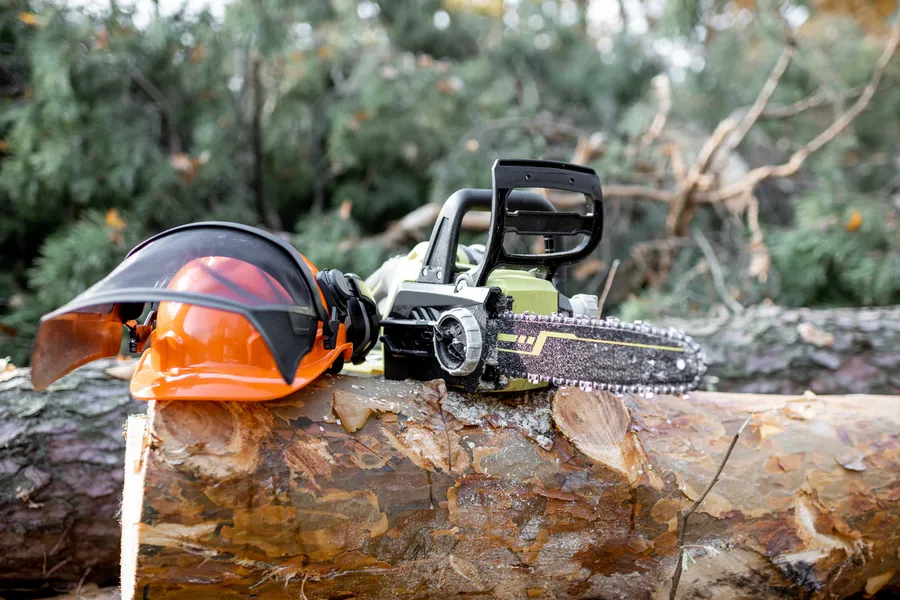
There are several reasons why tree cutting might be necessary. A diseased or dying tree poses risks to both property and safety. Storms may also damage trees, making them hazardous. Other times, trees need removal for landscaping renovations. Whatever the reason, careful consideration should precede this decision. Consulting with an arborist can offer insight into whether tree removal is indeed necessary.
The Role of Tree Cutting in Landscape Management
Tree cutting can significantly alter your landscape’s dynamics. Without trees, you may notice changes in sunlight exposure, affecting plant growth underneath. Moreover, removing a tree can impact soil erosion patterns and water distribution in your yard. These changes might require adjustments in how you manage other vegetation. It’s essential to plan for these shifts to keep your yard healthy.
Effects on Soil Health and Erosion
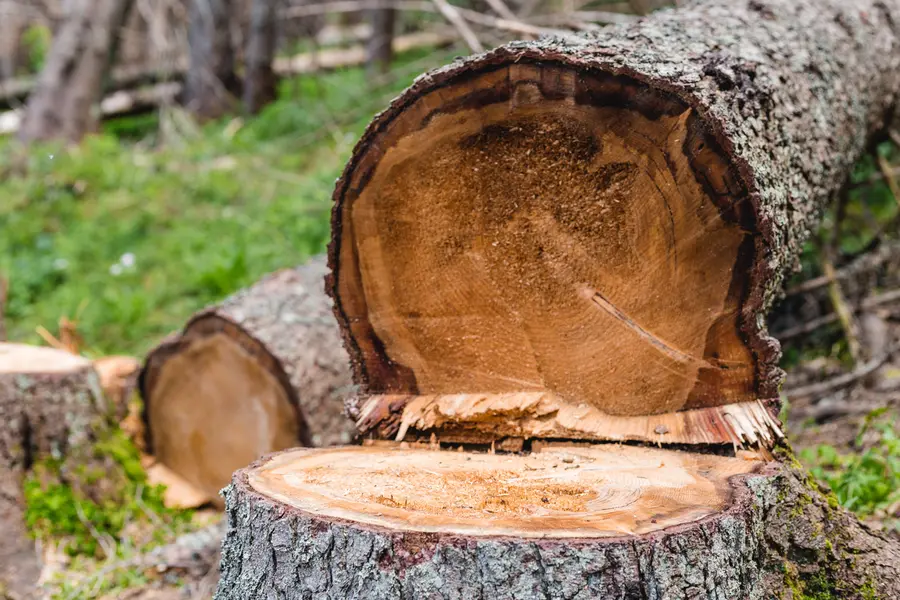
When trees are removed, the exposed soil can be more susceptible to erosion. Roots that once held soil in place are no longer there to perform that function. To mitigate this, consider planting ground cover or shrubs that help stabilize soil. Such plants prevent loss of nutrients and maintain the fertility of your yard.
Impact on Sunlight and Microclimate
A significant effect of removing trees is the increase in sunlight exposure. This change alters the microclimate of your garden. Plants that thrived in shade may now struggle under direct sunlight. Before proceeding with tree removal, assess which plants could be affected and consider repositioning or replacing them with sun-loving varieties.
Environmental Considerations
- Loss of habitat for local wildlife
- Reduction in natural shade and windbreaks
- Potential decrease in air quality due to fewer trees absorbing CO2
Each of these factors should weigh into your decision to cut down a tree. Balancing human needs with environmental stewardship is key to making informed decisions that benefit all involved.
Steps to Mitigate Negative Impacts
If you’ve decided that tree removal is necessary, planning mitigation steps is crucial. First, replace lost canopy cover with new plantings to offset environmental impacts. Second, monitor soil conditions and add amendments if needed to maintain health. Lastly, consider structural changes like installing barriers to control erosion.
- Consult an arborist before making any decisions
- Consider the long-term effects on your landscape
- Implement mitigation strategies immediately after removal
Benefits of Professional Guidance
Working with professionals ensures safe and effective tree management. Experts provide valuable insights into best practices for maintaining landscape health post-removal. They also offer practical solutions tailored to your specific yard conditions, ensuring long-term sustainability.
Choose Wisely With Expert Support
The decision to remove a tree isn’t one to take lightly. Understanding its full impact ensures you make the best choice for your yard’s health. Olvan Tree Service offers expert guidance to help navigate this process smoothly. Reach out to us at (512) 631-5746. Our team, based in Austin, TX, provides comprehensive services tailored to maintaining beautiful and healthy landscapes.