Understanding the Importance of Maintaining Healthy Trees
Trees are vital to our environment, providing oxygen, shade, and beauty. However, without proper care, they can become susceptible to diseases that may lead to their decline or even death. Ensuring that your trees remain healthy involves regular maintenance practices. One of the most effective ways to prevent disease in trees is through consistent upkeep methods. By understanding and implementing these practices, you can keep your trees vibrant and thriving.
The Role of Pruning in Promoting Tree Health
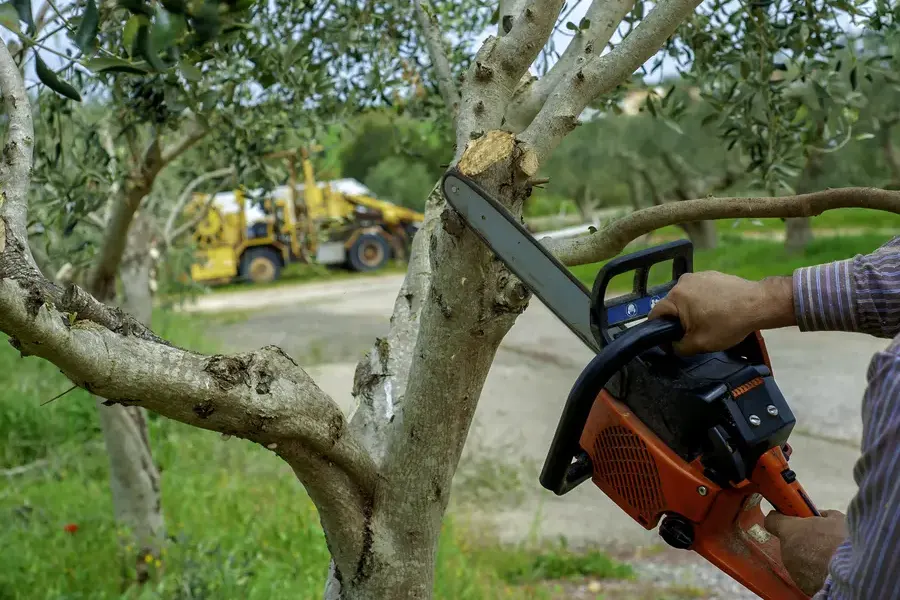
Pruning plays a crucial role in maintaining tree health. By removing dead or diseased branches, pruning reduces the risk of further infection spreading throughout the tree. It also enhances air circulation and sunlight penetration, which are critical factors in preventing fungal growth and other diseases. Regular tree trimming ensures that only healthy branches remain, fostering a robust tree structure.
Preventing Diseases Through Proper Maintenance
Effective tree management goes beyond basic care. Tree trimming is an essential part of this process. When done correctly, it helps prevent various diseases by ensuring optimal growing conditions. This includes removing weak limbs that could invite pests or pathogens, thus safeguarding the tree’s overall health. Additionally, well-maintained trees have better resilience against environmental stressors like storms or droughts.
Benefits of a Proactive Approach
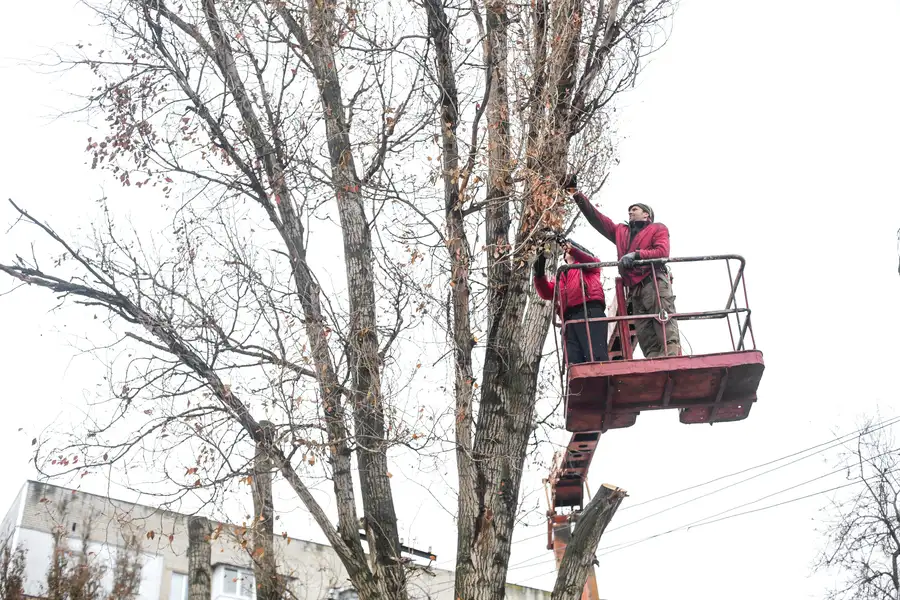
A proactive approach to tree care offers several benefits. Healthy trees not only contribute to a more appealing landscape but also increase property value. Moreover, investing time in routine maintenance can save money in the long run by reducing the need for costly treatments or removals due to disease or damage.
Potential Challenges and How to Overcome Them
While maintaining trees might seem straightforward, it comes with challenges. Identifying which branches to remove requires expertise to avoid accidentally harming the tree. The risk of spreading disease during trimming is another concern. To overcome these challenges, consider consulting with professional arborists who have the knowledge and tools needed for safe and effective maintenance.
- Regular inspection for signs of disease
- Proper sanitation of tools before use
- Selective removal of unhealthy branches
- Consultation with experts when necessary
Best Practices for Effective Pruning
Adopting best practices is crucial for successful pruning. Always prune during the dormant season when the risk of disease transmission is lower. Use sharp tools to make clean cuts, which promote quicker healing. Ensure that cuts are made at the appropriate angle to prevent water accumulation and subsequent decay.
Industry Standards in Tree Maintenance
Tree maintenance follows certain industry standards to ensure consistency and safety. These standards include guidelines on how frequently different species should be trimmed and the types of equipment recommended for use. Familiarizing yourself with these regulations not only promotes tree health but also aligns your practices with recognized quality benchmarks.
Cost Factors to Consider
Caring for trees entails financial investment, but the returns are worthwhile. Costs may vary depending on the size and type of tree, as well as the complexity of the required care. It’s important to weigh these costs against potential savings from prevented diseases and prolonged tree life.
Your Pathway to Healthy Trees With Expert Care
If you’re seeking expert assistance with maintaining healthy trees, reach out to Olvan Tree Service. Our team is based in Austin, TX and specializes in comprehensive tree care services tailored to meet your needs. Contact us today at (512) 631-5746 for personalized solutions that enhance your landscape while ensuring the vitality of your trees.